
Water Treatment for the Food Industry
Ovive: Your partner for efficient industrial wastewater management since 1999.



A strong compliance and phytosanitary challenge
Wastewater from the agri-food industry contains organic and inorganic contaminants that can pollute rivers and lakes, threatening the ecosystem. Strict regulations govern the discharge of industrial wastewater. Compliance with these standards is crucial to avoid penalties and fines.
Effluent treatment and preparation ensures that the water used in processes and food production is clean, of high quality and free from contaminants, protecting the health of consumers. Industrial water management relies on robust, reliable solutions to ensure environmental and health compliance.
Wastewater treatment plants play an essential role in treating water before it is discharged. They use a variety of processes and advanced technologies to ensure effective purification. The sludge resulting from treatment is specifically managed to avoid any further pollution.
A varied industry with heterogeneous effluents
As France’s leading industrial sector, the food and beverage industry is made up of some 20,000 companies, each with different characteristics depending on their activities and production. Cleaning In Place (CIP) systems generate water that must be treated before discharge.
The effluents produced are highly heterogeneous: organic matter, nitrogenous matter, grease and oil mingle with solid residues, salts and other inorganic elements. Managing this water requires specific, resilient and operational solutions, adapted to production sites.
Wastewater treatment plants must be equipped with advanced technologies to manage this diversity of effluents. Pre-treatment and secondary treatment processes ensure complete purification. Tertiary treatment can be implemented to achieve REUT qualities or strict standards. Treated water quality is continuously measured to ensure compliance with environmental standards.
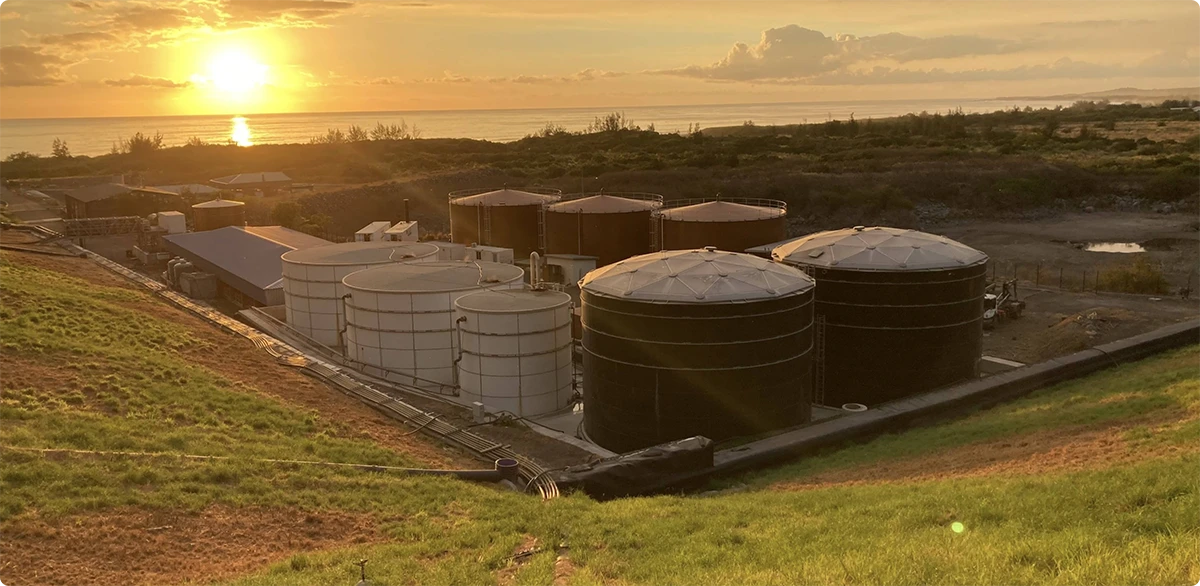
Discover all
our processes
Since 1999, Ovive has developed a wide range
of processes to meet the technical and operational needs of its industrial and leachate customers.
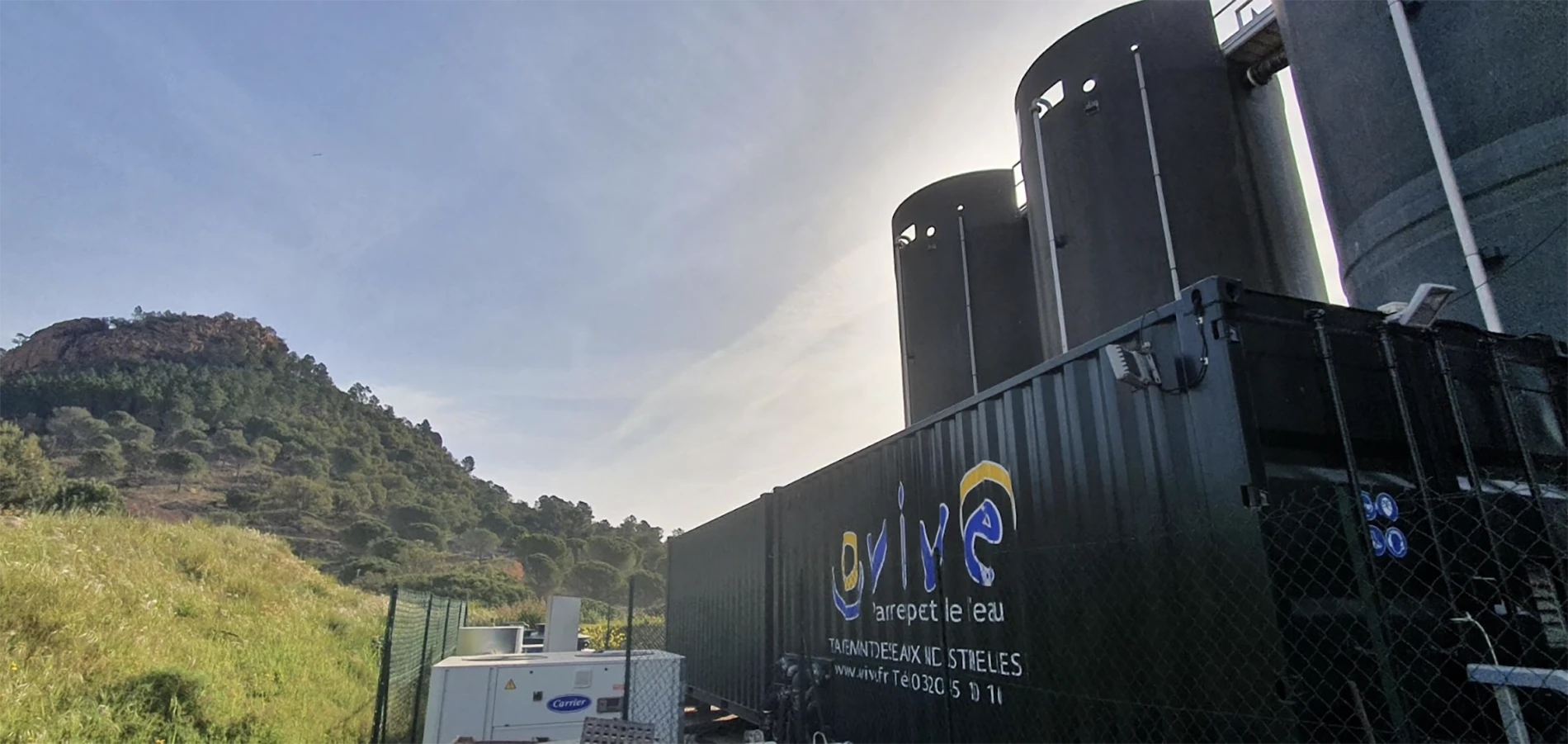
Our environment
deserves the best
treatment
Ovive, a partner to waste professionals
in preserving our resources for over 25 years.
We meet the operational needs
of your business
Ovive offers a comprehensive solution to help you manage your effluents and preserve your water resources.We’re with you every step of the way, from design to day-to-day operation.
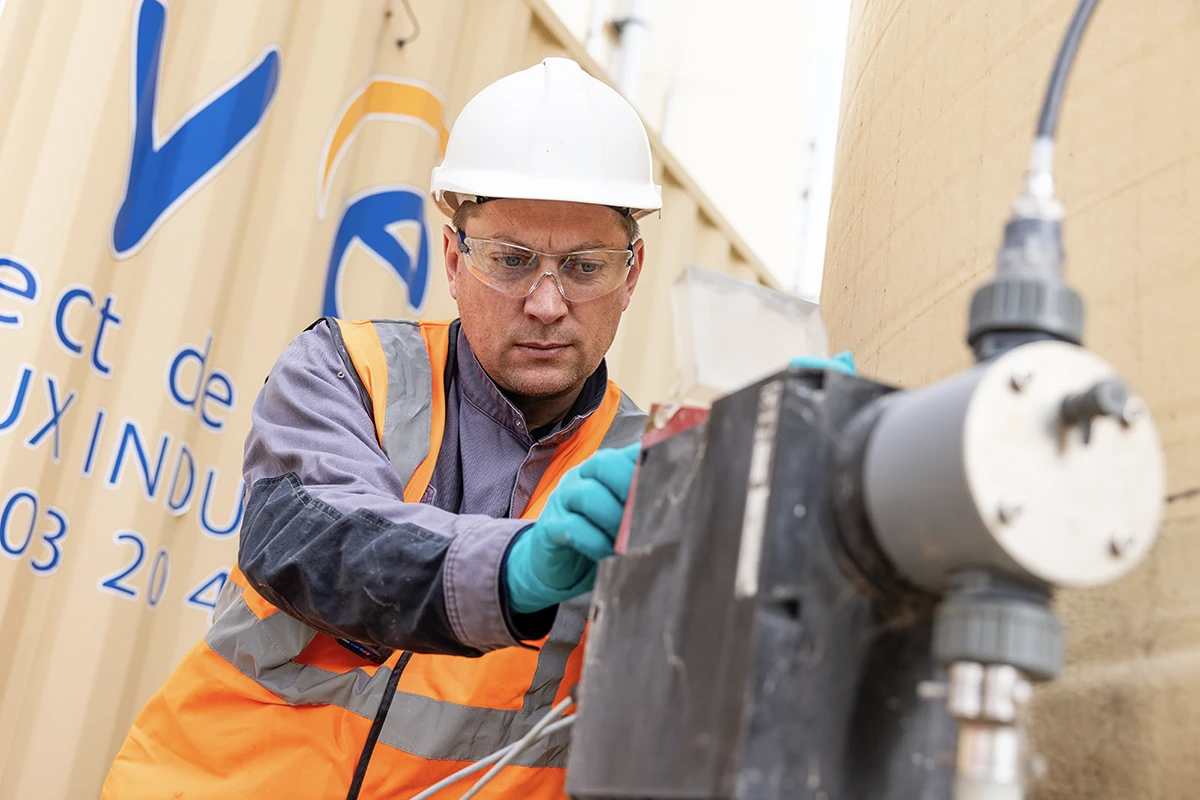
Comprehensive service,
for guaranteed water treatment
Ovive adapts to your needs and offers you a tailor-made
water and wastewater treatment solution.
With no initial investment and pay-as-you-go pricing,
is a flexible, high-performance and cost-effective solution.
.
CUSTOMER CASES
SABAROT

Expanscience
Pharmaceuticals : Energy Recovery Through Anaerobic Digestion
Croc’frais
Agri-Food : Composting as a Value-Added Process

Délifrance
Industrial Bakery: Energy Recovery Through Anaerobic Digestion

Copalis
Natural Marine Ingredients , BRM + REUT (boiler water)

Interspray
Cosmétique BRM + REUT
Charles and Alice
BRM + REUT Compote Production

VEOLIA – Val’Pôle
Membrane Bioreactor Leachate Treatment

GUERLAIN
Cosmetics: Assessment of the Old Production Line and the New BRM Plant

MELVITA
Organic Cosmetics: Membrane Bioreactor

Canson
Paper Mill: Laboratory Tests + Field Pilot Tests
Sofpo
Corrugated Cardboard Manufacturing: Membrane Bioreactor

EDF
Energy Production Ultrafiltration
BOT FAO
Anaerobic Digestion BRM for Liquid Digestate

IDEX
Anaerobic Digestion BRM for Liquid Digestate
Preserving resources, reducing consumption and REUT
Wastewater treatment protects natural environments from pollutants. Food manufacturers are striving to reduce their water consumption and recover wastewater through REUT (Réutilisation des Eaux Usées Traitées). In 2024, a decree facilitated REUT in the agri-food industry.
Water reuse reduces water withdrawals, generating significant savings and increasing business resilience to droughts. Modern wastewater treatment plants maximize wastewater reuse thanks to cutting-edge technologies.
Innovative solutions for plant efficiency
To optimize the efficiency of wastewater treatment facilities, it is essential to invest in innovative solutions. Ovive, a leader in the treatment of agri-food industrial effluents, offers advanced technologies and tailor-made strategies. The sludge resulting from treatment is recovered or disposed of safely, in compliance with current standards. Thanks to its expertise, Ovive enables companies to meet regulatory requirements while optimizing their production processes. Our plants are equipped with advanced settling tanks and filtration systems, using biological, chemical and physical processes adapted to each type of effluent. The flexibility of our treatment plants means they can adapt to variations in production and pollutant loads, ensuring efficient, sustainable wastewater management.