How to optimize water consumption in the textile industry?
The textile industry is one of the most water-hungry sectors in the world, and also one of the most polluting. From dyeing to fiber washing, each stage of textile manufacturing requires considerable volumes of water, often combined with intensive use of chemicals.
With increasing pressure on water resources and the tightening of environmental standards, optimizing water consumption in the textile industry is as much an imperative as a lever for sustainable performance. This sector needs to rethink its processes to limit water consumption, effectively treat industrial effluents and integrate reuse and recycling solutions.
Thanks to innovative technologies and tailor-made support, Ovive helps textile and leather manufacturers make this transformation.
An industry that consumes heavily… and pollutes
Water consumption in the textile industry is extremely high: up to several thousand liters per kilo of fabric produced. Operations such as dyeing, finishing or washing mobilize large quantities of water, often combined with harmful chemical substances (dyes, solvents, surfactants, etc.). These stages generate highly contaminated industrial wastewater, which cannot be discharged without prior treatment in compliance with environmental standards.
Textile effluents have complex physico-chemical characteristics, which can vary widely depending on the workshop, fiber used or manufacturing process. For example, they may contain suspended solids, dyes or heavy metals: effective treatment is therefore essential to reduce water impact and meet regulatory requirements.
Rethinking water management in the textile industry
To meet these challenges, a number of levers can be activated. One of the first steps towards better water management is to identify and separate the different types of effluent: rinsing water, water loaded with colorants or metals, etc. This makes it possible to adapt treatments while reducing consumption of energy, chemicals and water.
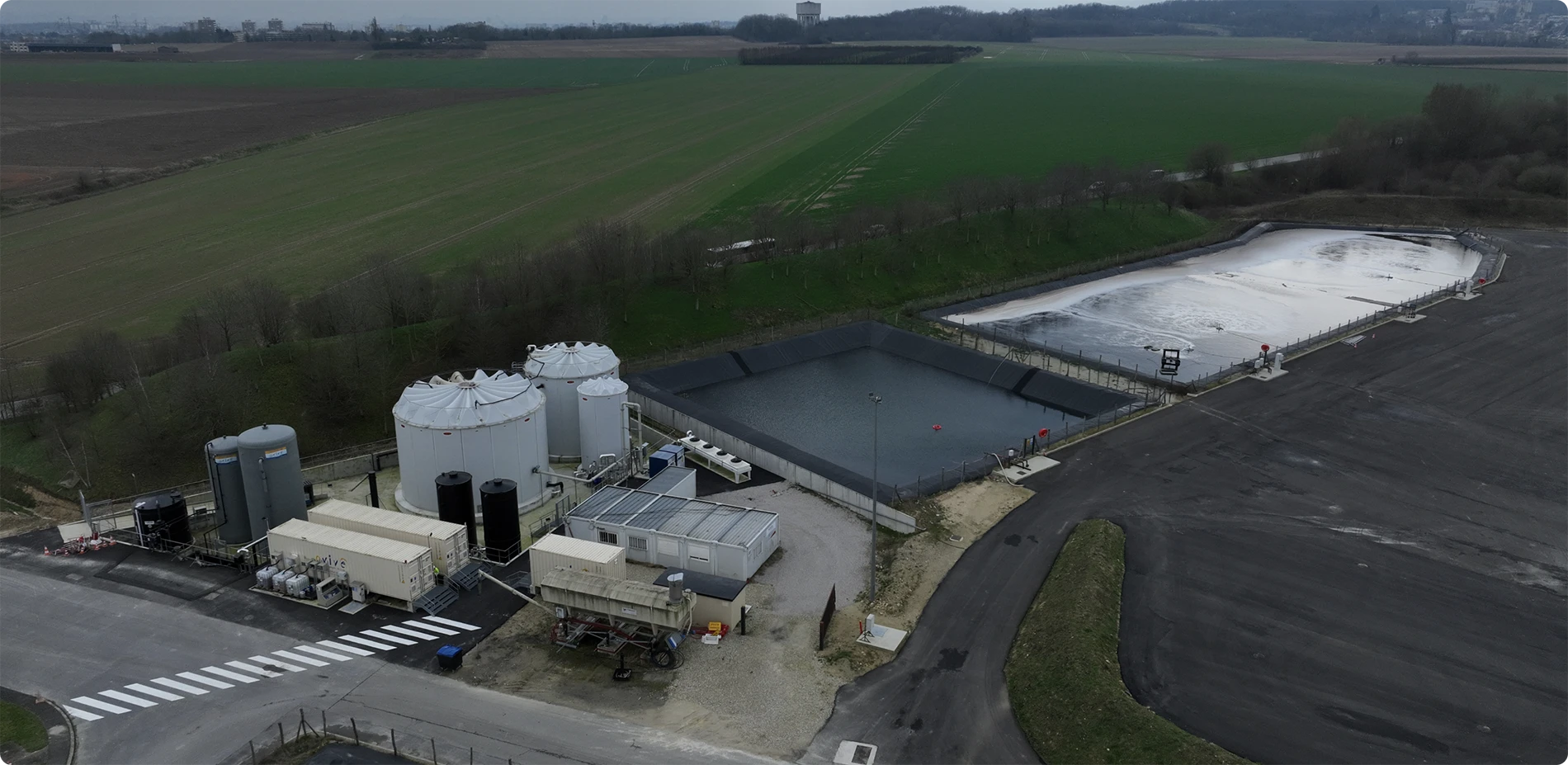
Depending on the pollutants present, Ovive designs and implements tailor-made treatment processes, adapted to the needs of each industry. Depending on the case, these processes can be manifold: physico-chemical treatments, biological treatmentsbiological treatment membrane filtrationtertiary treatments for recycling or reuse of treated reuse of treated water (REUT)…
Indeed, thanks to a high level of treatment, some water can be reused in the industrial process, thus reducing the consumption of new water while limiting the volumes of water discharged.
Why call on Ovive for your textile or leather website?
A specialist in industrial water treatment for over 30 years, Ovive supports textile and leather industries throughout France with a comprehensive, tailor-made approach.
Our teams master the entire treatment chain, from effluent analysis to the installation and maintenance of customized filtration, recycling and reuse systems. Our systems can be configured according to your needs: COD, suspended solids, heavy metals… Take advantage of our know-how and tailor-made solutions to reduce your water consumption, treat your textile effluents in compliance with regulations and valorize this essential resource.