🔬 From laboratory test to final plant: how does Ovive support the treatment of a new effluent?
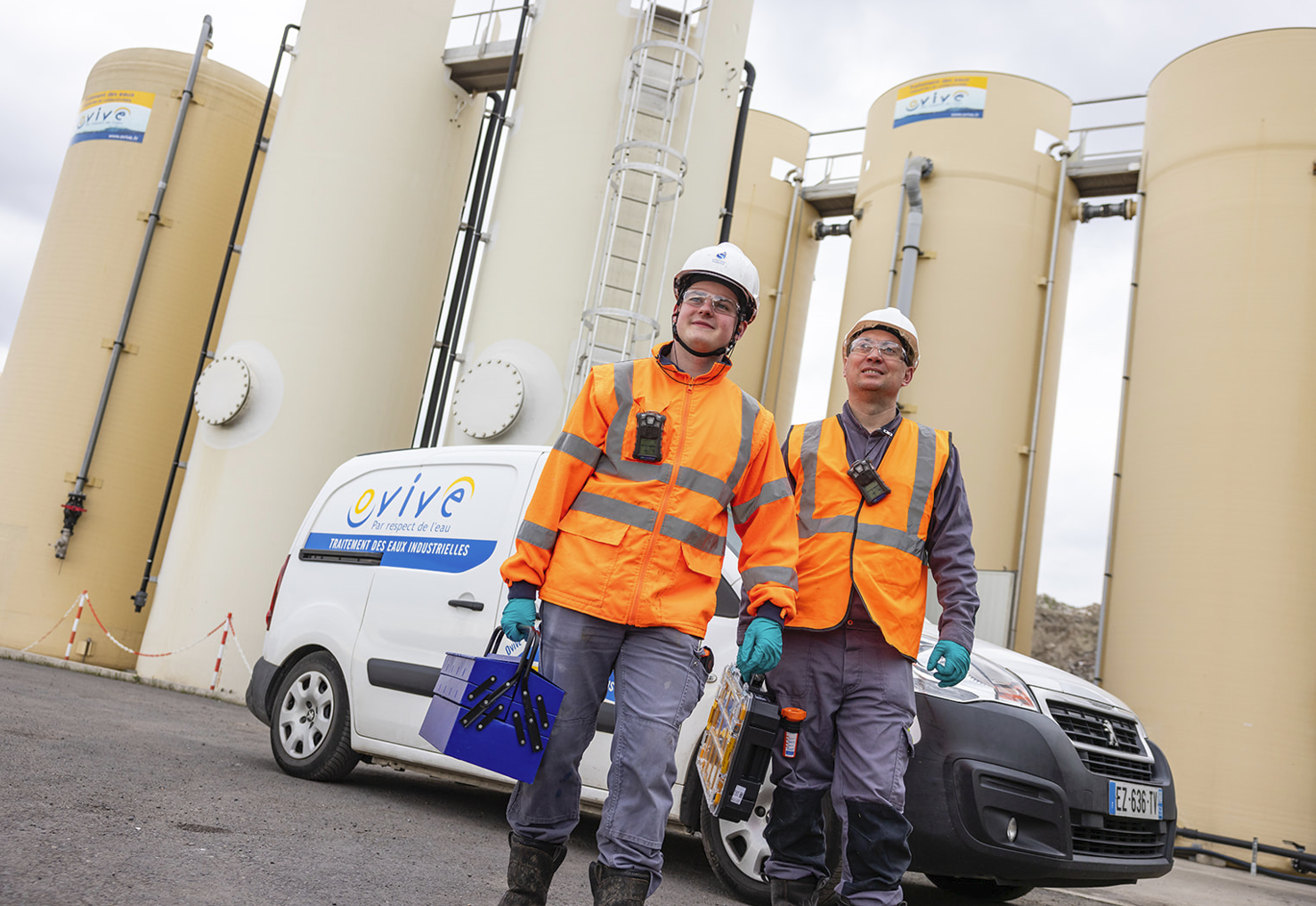
Treating a new industrial effluent is a technical challenge requiring a rigorous, methodical, hands-on approach. At Ovive, we support our customers at every stage of the process, from the initial laboratory characterization to the commissioning of the in-situ treatment plant, with our operator’s perspective.
👉 1. Laboratory phase: understanding and analyzing effluent
It all starts with an in-depth study of the effluent to be treated. This first step is essential to characterize its composition (metals, salts, COD, SS, clogging index, etc.), understand its variations and identify the regulatory constraints associated with the point of discharge.
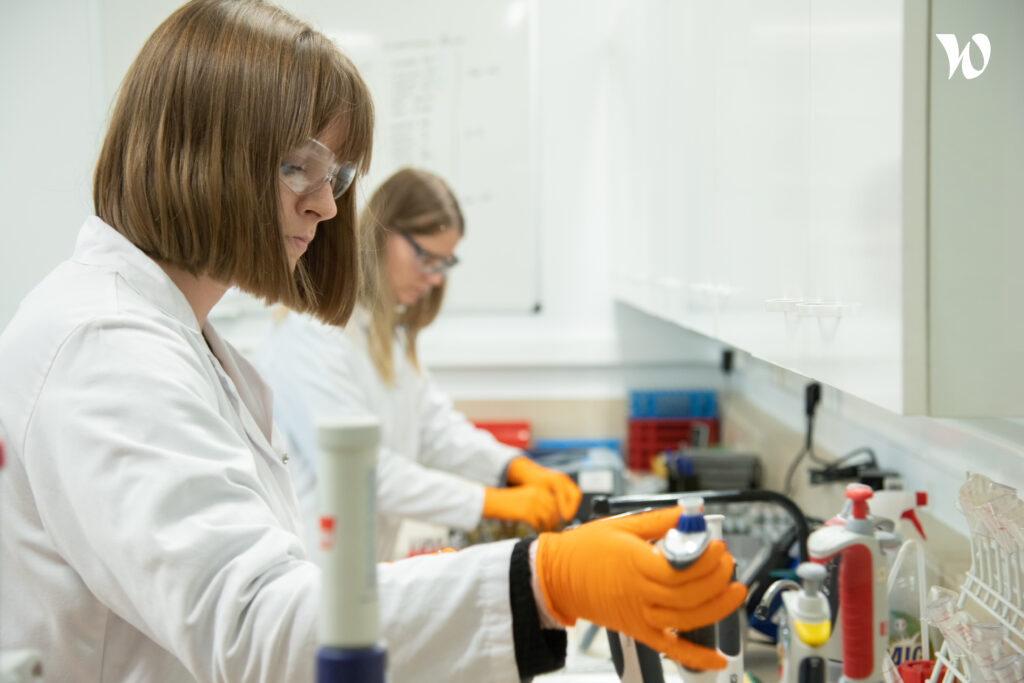
🔹 Laboratory sampling and analysis: our experts carry out a complete characterization of the effluent, performed in our own laboratory in Seclin (59).
🔹 Bench-scale reactivity tests and feasibility trials: we test several treatment solutions (precipitation, coagulation/flocculation, oxidation, biological treatment, etc.) to identify the most suitable in terms of efficiency, cost and environmental impact.
🔹 Selection of the most appropriate process: once the results have been analyzed, a treatment solution is recommended and an initial sizing is established.
🔹 Pilot testing on a “laboratory” scale: the proposed solution is first tested on our fleet of pilot laboratories, at a rate of a few hundred L/h, enabling us to test the solution in continuous operation and identify the key points for future on-site testing.
👉 2. Pilot phase: testing the solution in real-life conditions
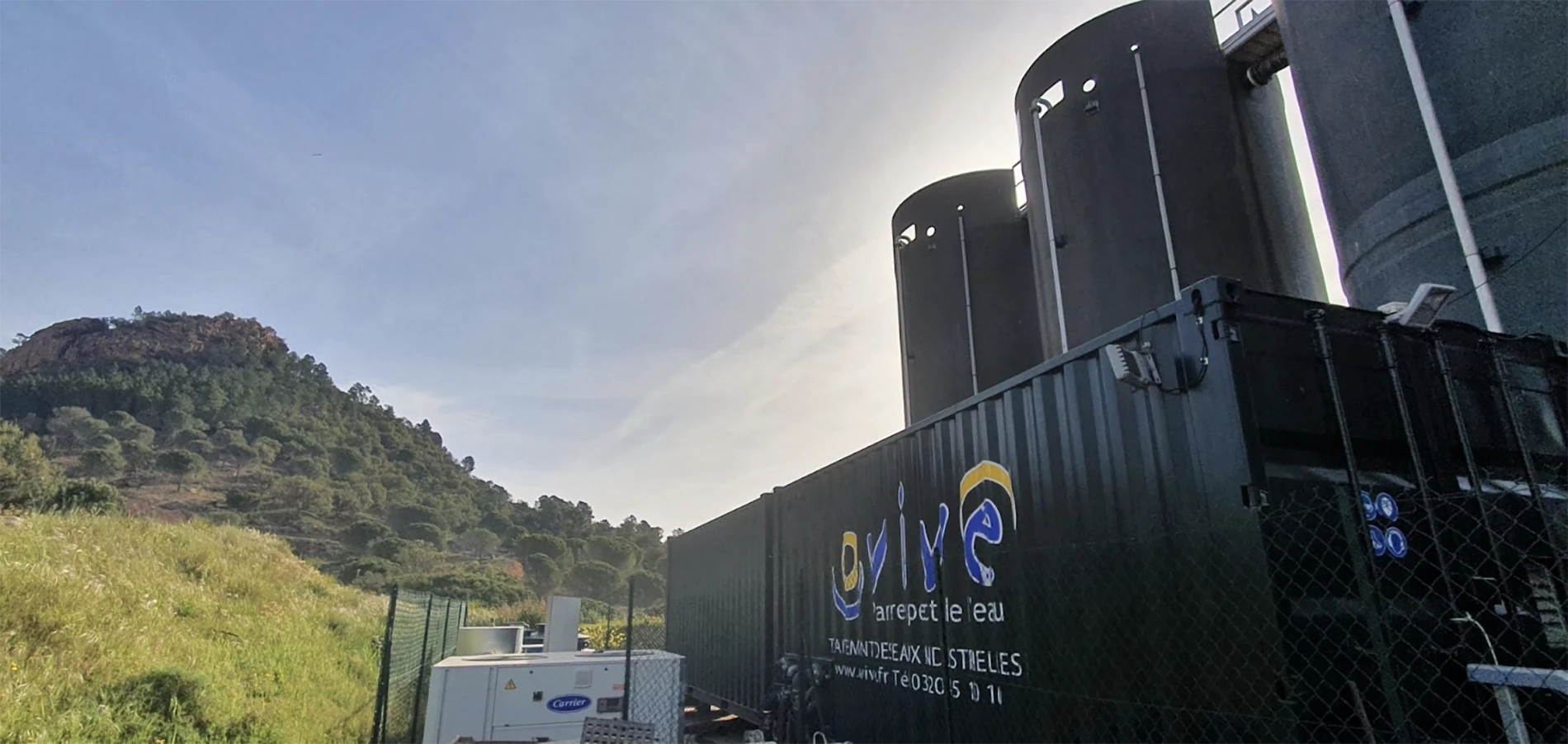
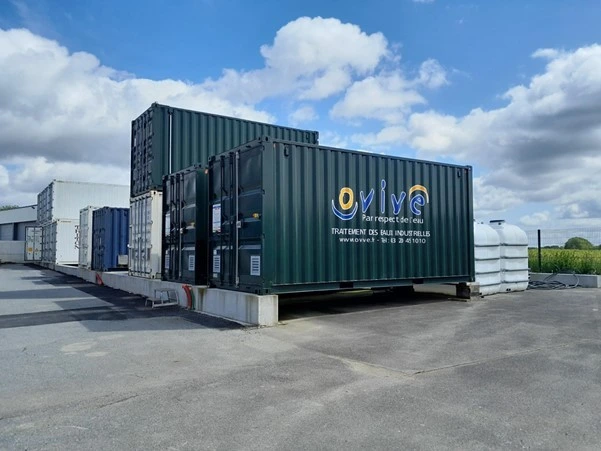
Once the theoretical solution has been validated, it is tested on an industrial scale using our mobile pilot units. This phase enables parameters to be adjusted before final deployment.
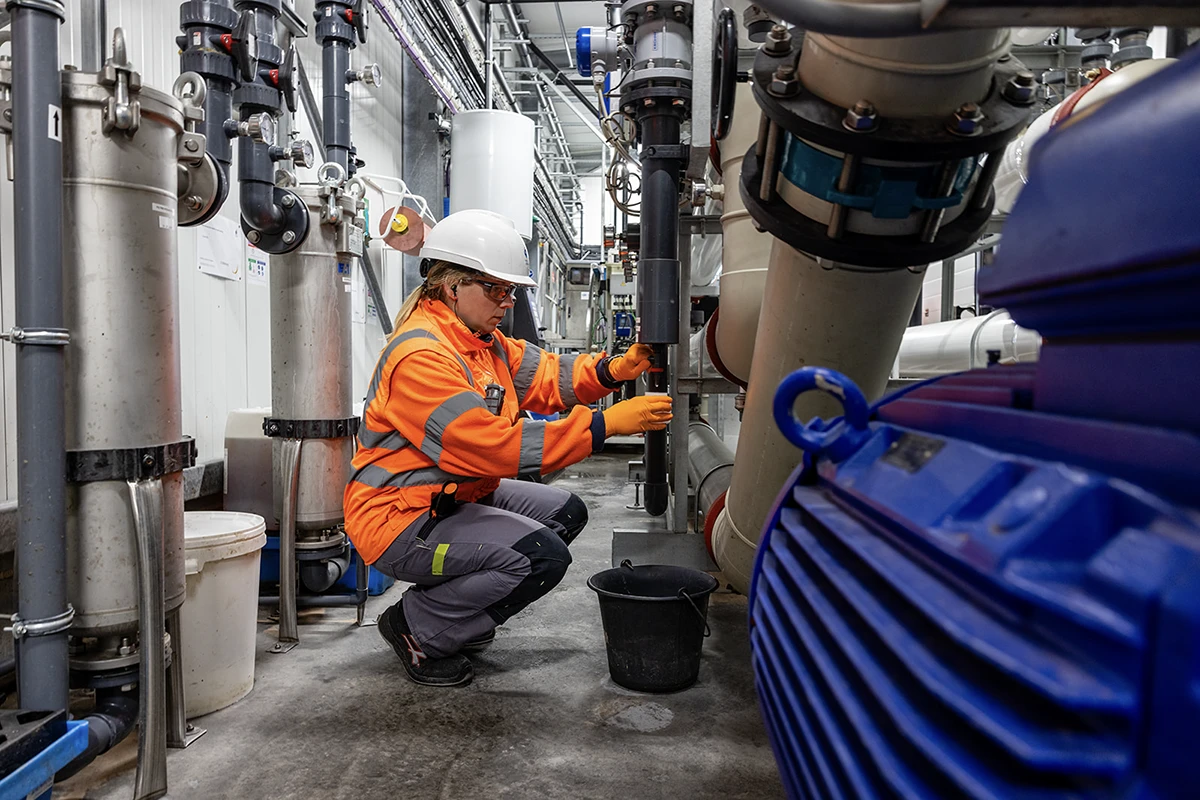
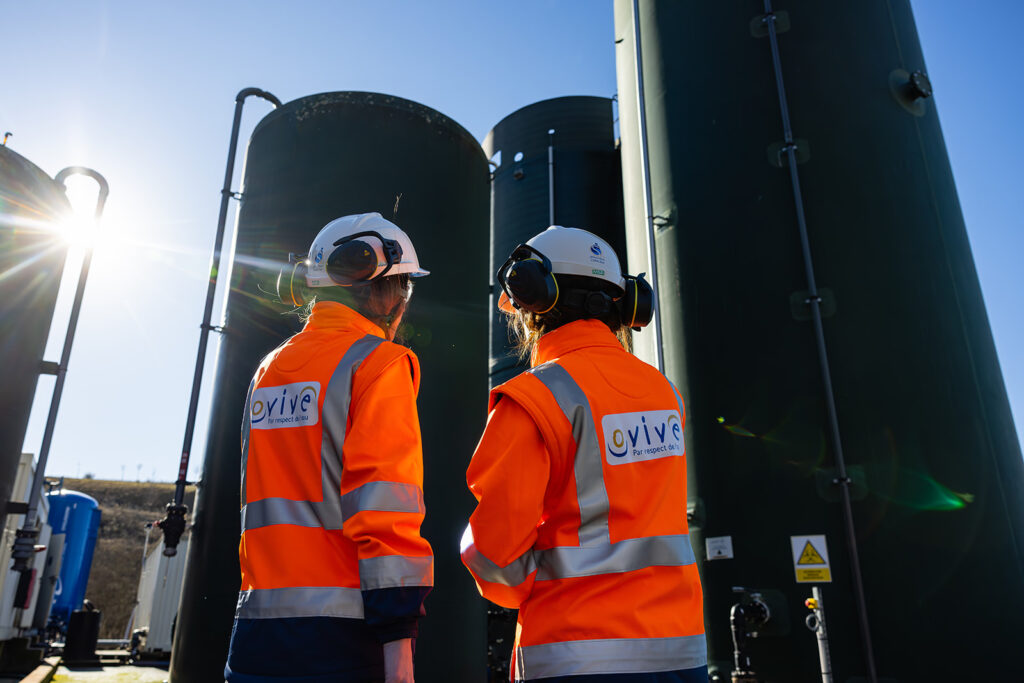
🔹 Installation of a pilot unit on site: the pilot unit is set up directly on the customer’s premises to validate the chosen solution under real conditions, and in particular to confront the variability of the effluent.
🔹 Parameter optimization: we adjust reagent dosage, reaction times and treatment performance according to the results obtained.
🔹 Performance and compliance validation: the results of the pilot tests confirm the technical and economic viability of the process before its final integration. The technical elements observed during this phase enable reliable sizing of the final unit, adapted to our customer’s needs.
👉 3. Deployment of the final station: implementation and monitoring
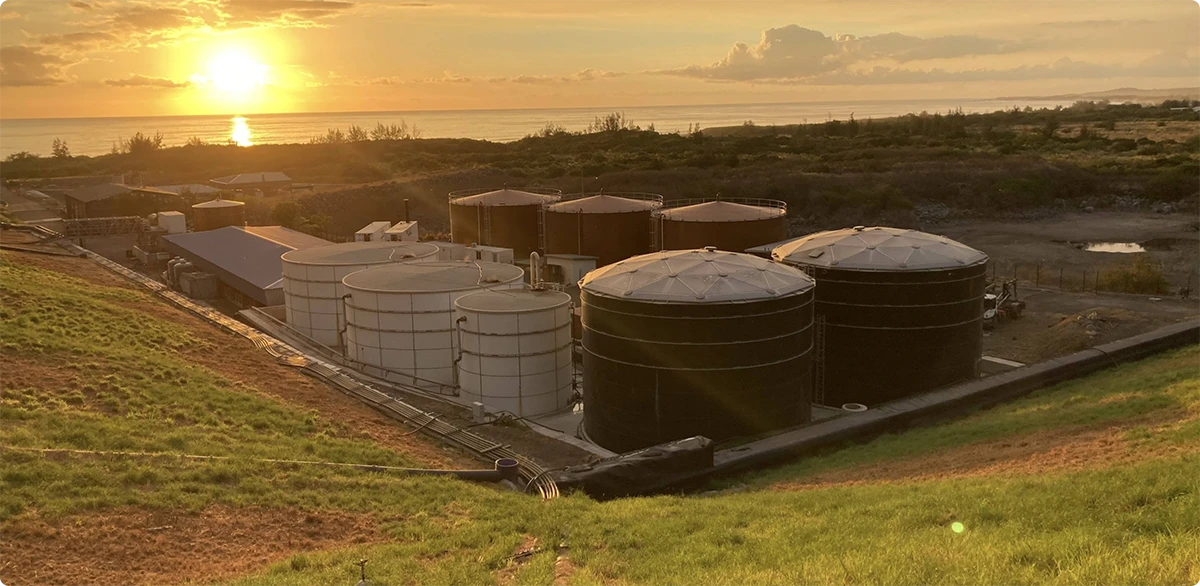
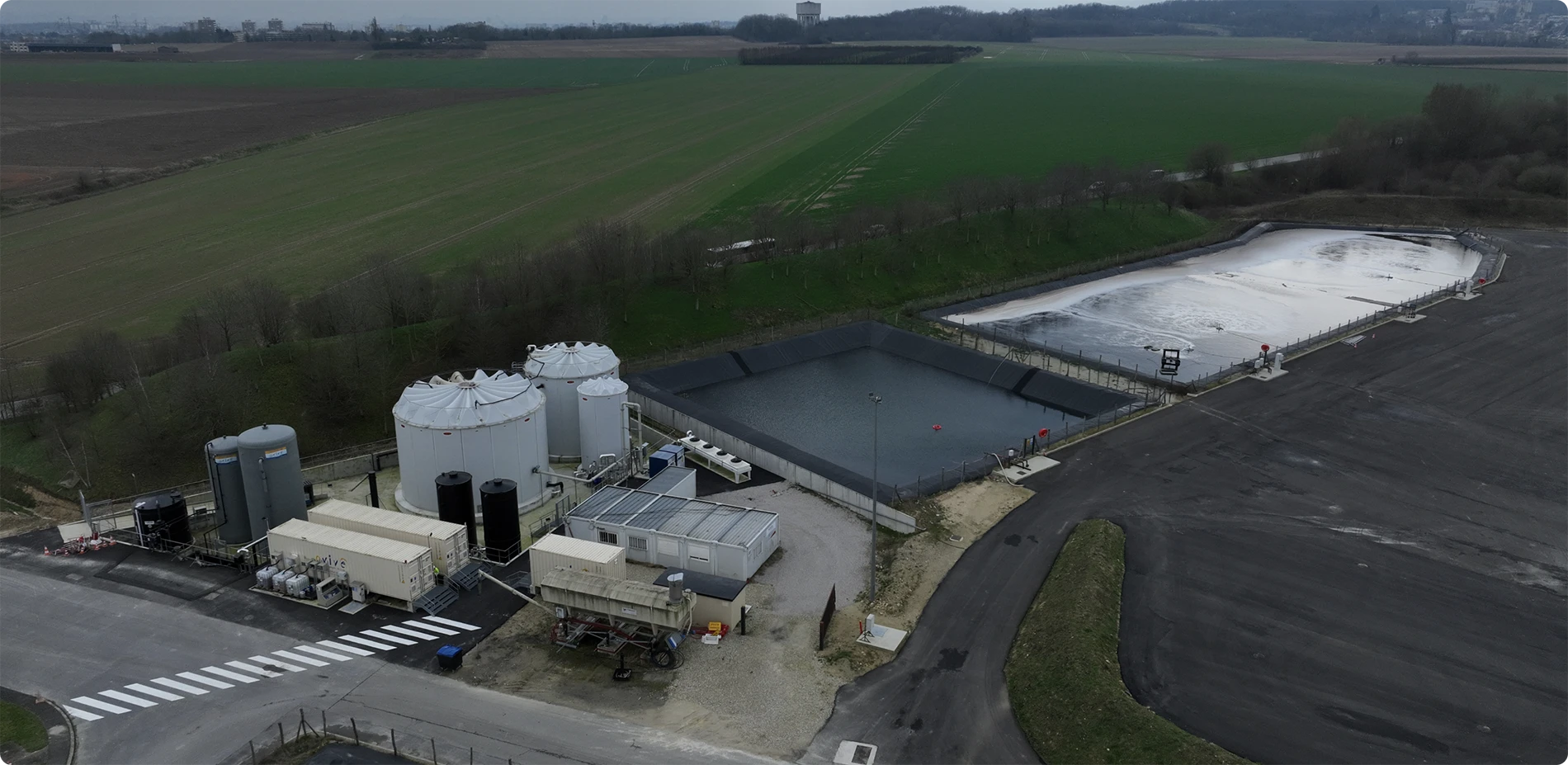
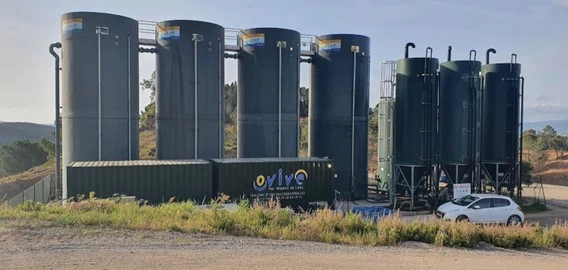
Once the solution has been validated, design and installation of the treatment plant can begin.
🔹 Design and engineering: our teams size and design an installation adapted to the customer’s needs, integrating space, energy consumption and maintenance constraints.
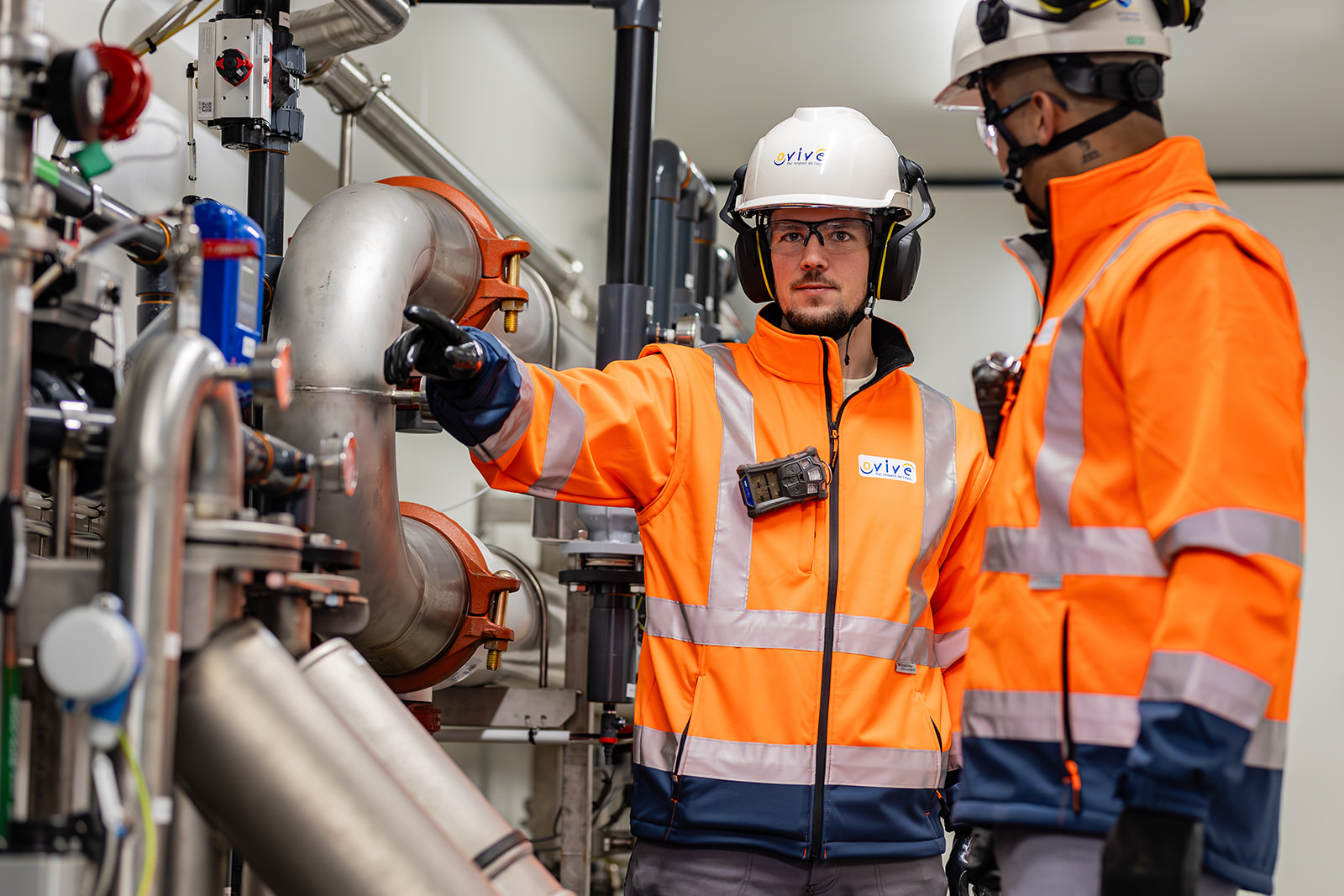
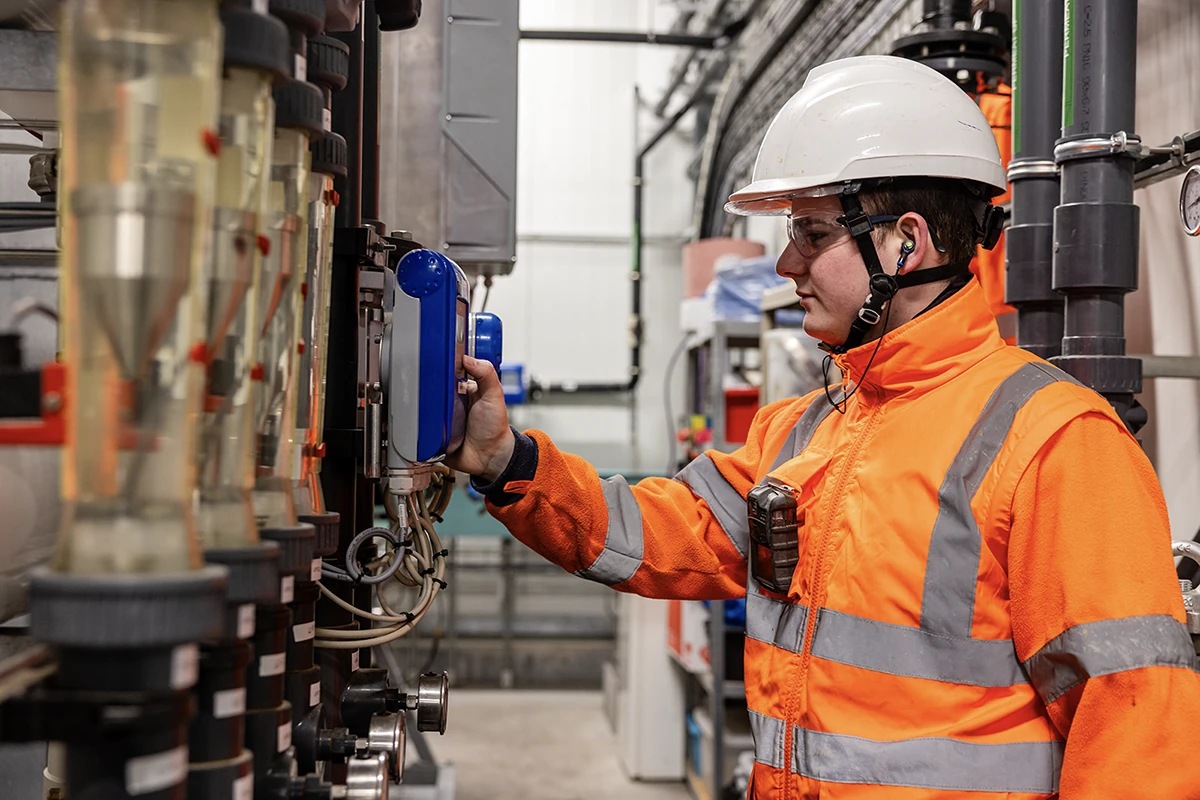
🔹 Commissioning and training: after installation, we support on-site teams to ensure optimum system familiarization and efficient operation.
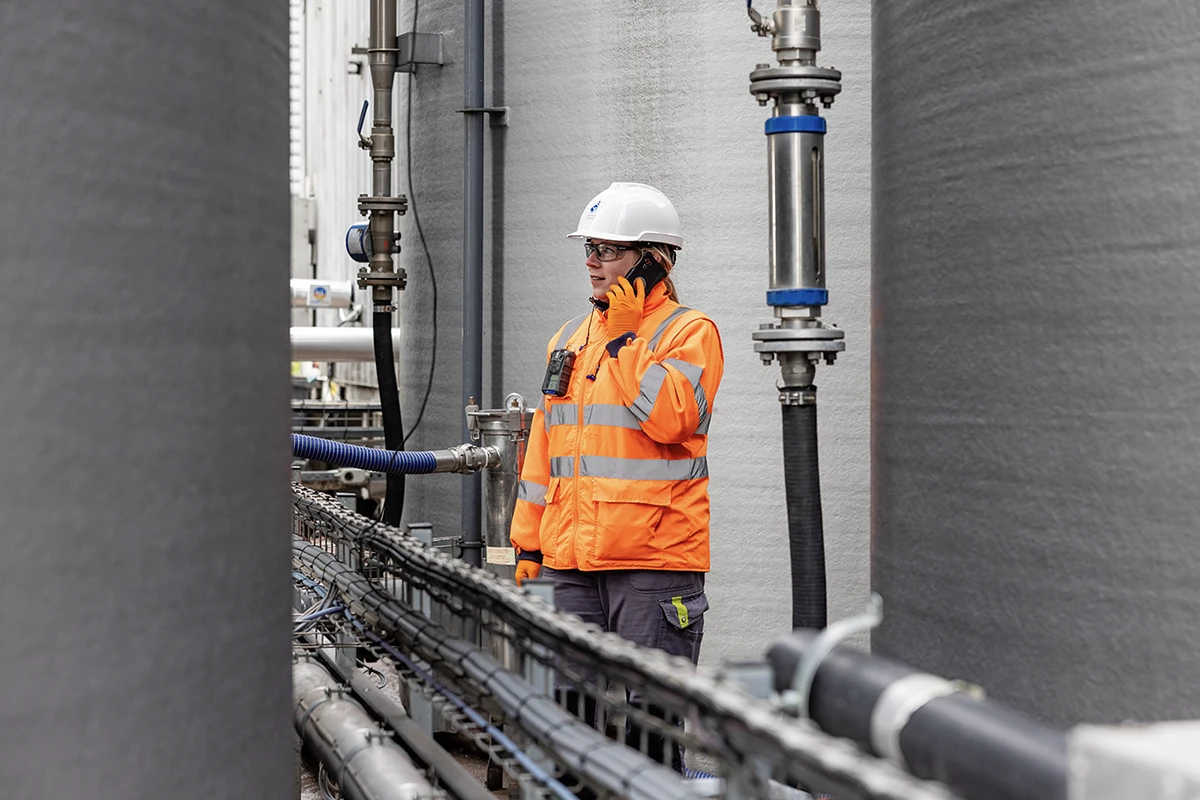
🔹 Follow-up and optimization: even after commissioning, we remain at our customers’ side, and can provide support ranging from simple operating assistance to complete delegation of treatment unit management.
🎯 Comprehensive, tailor-made support
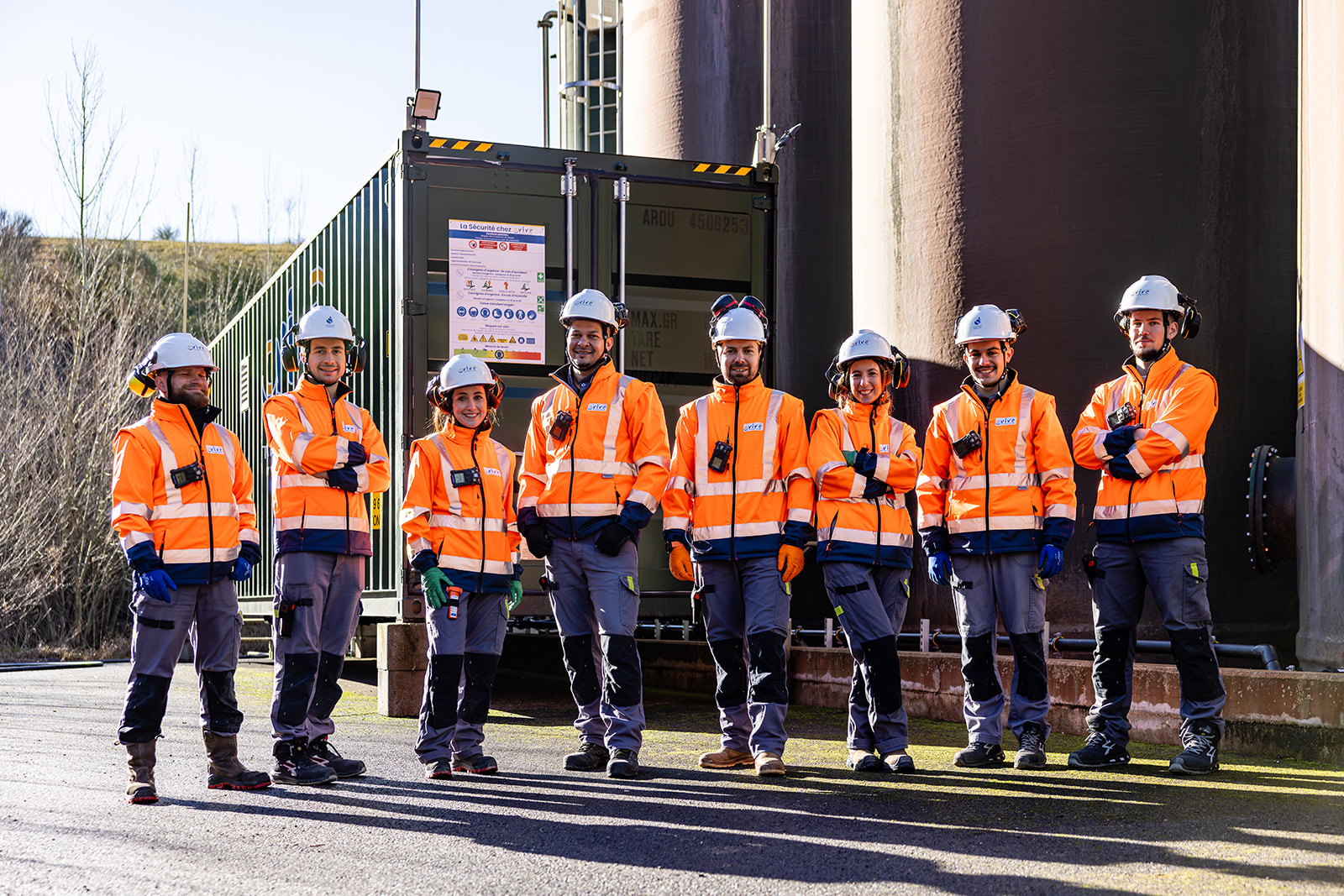
At Ovive, each project is unique and requires a personalized approach. Our expertise enables us to propose solutions adapted to the specificities of each effluent, while guaranteeing performance, regulatory compliance and optimized operating costs.
📩 Do you have a specific project or need? Contact our experts to discuss it!
📢 Didn’t we tell you? 📢
👉 Ovive scores 92/100 on the Gender Equality Index!
A fine recognition of our commitment to professional equality. At Ovive, we continue to strive for greater equity and gender diversity in our teams.
👉 And in March, meet us at two major events:
🔹 CFIA Rennes March 4-6 – Industrial water management and solutions for the food industry. 📍 Stand D15 Hall 8
🔹 Cycl’Eau Montpellier March 19 and 20 – Discuss water management and treatment with local players. 📍 Stand F3 Hall B2
We look forward to seeing you there! 🚀