How can you reduce your industrial water footprint?
Reducing our water footprint doesn’t just mean limiting our water consumption: we need to rethink the entire water cycle in our processes, from catchment to discharge, including treatment, recycling and reuse.
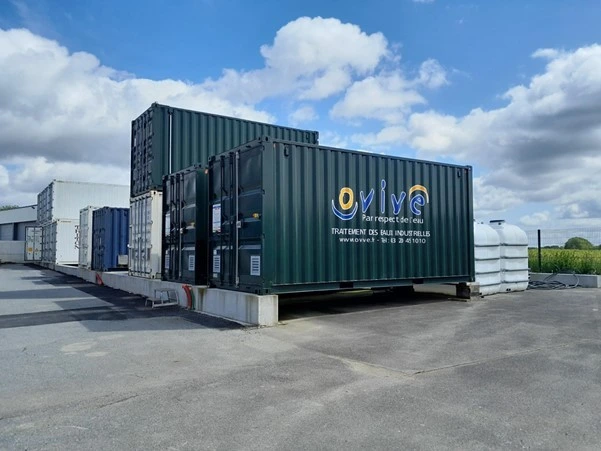
It’s a complex process, but one that’s essential if we are to meet regulatory, environmental and economic requirements. As a specialist in industrial water treatment, Ovive supports manufacturers in this transformation with concrete, high-performance, tailor-made solutions.
Reducing your water footprint: a global challenge
The water footprint of an industrial site is more than just the volume of water used: it includes the entire use of the resource, from the origin of the water consumed to the quality of discharges into the natural environment.
Consumption and losses often underestimated
Certain industries, such asfood processing,textiles,chemicals and plastics, consume massive amounts of water, often for technical purposes (cooling, cleaning, etc.). In addition to the volume used, the environmental impact is also linked to the source of the water (groundwater, drinking water, etc.), the nature of the pollutants emitted and the energy required to treat the water.
Numerous weak points also increase the water and energy footprint of installations, such as leaks in the internal network, overdosing or poorly calibrated washes. A water audit enables us to identify these losses precisely and take action on the items concerned.
Water treatment and recovery: major levers
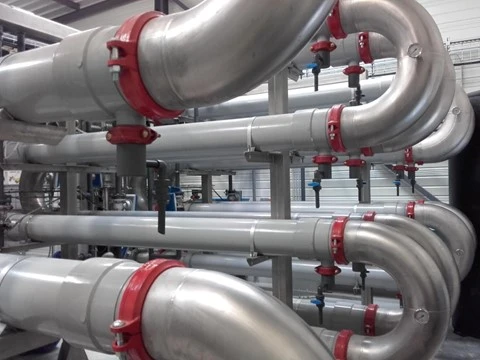
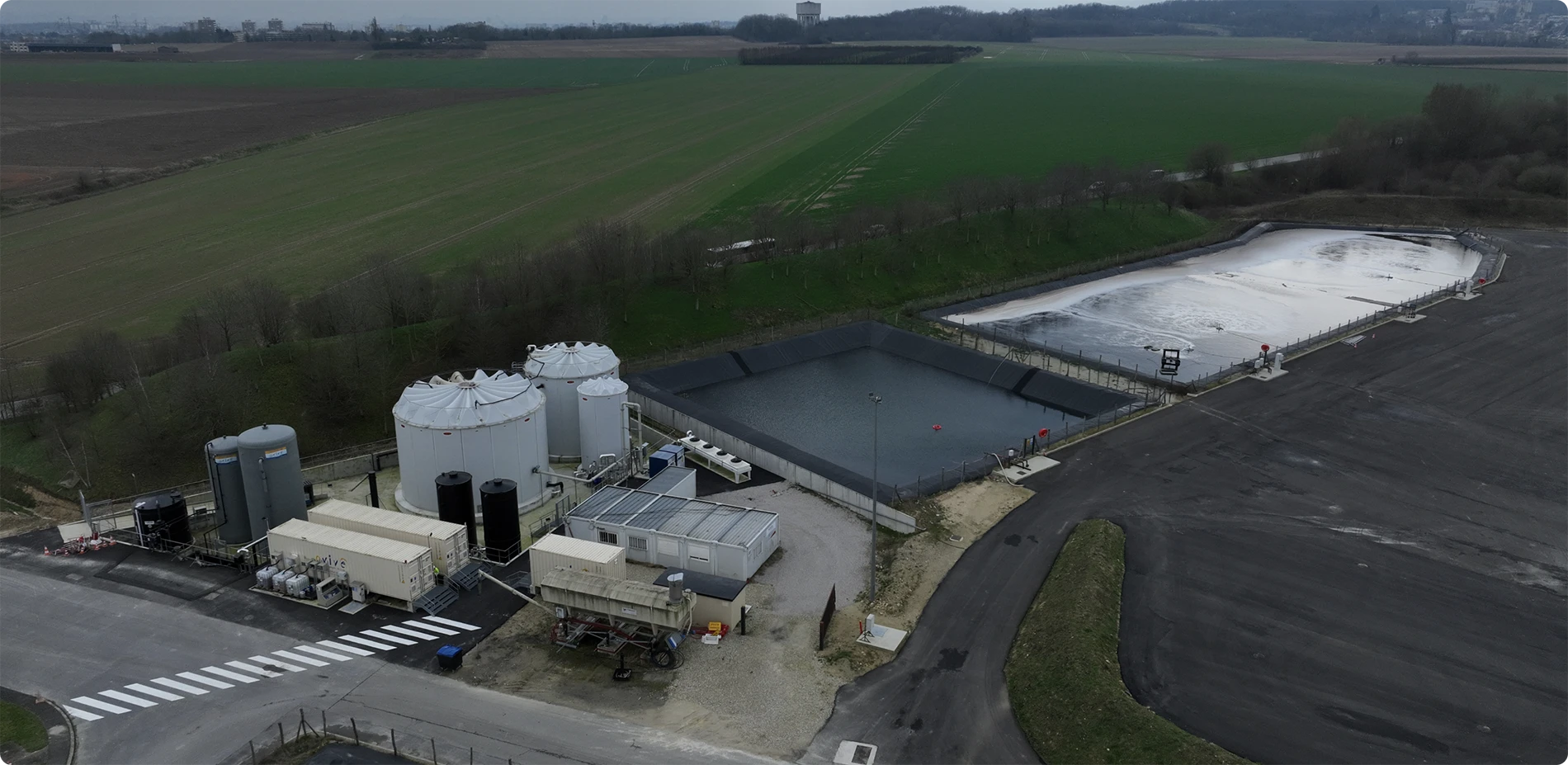
The industrial water treatment is a key step in reducing our water footprint. Depending on the pollutant load and the quality required for discharge or reuse, different technologies can be mobilized: ultrafiltration, nanofiltration, reverse osmosis, etc. The more efficient these treatments are, the more they reduce the volumes of new water required for the activity.
In certain cases, it is also possible to opt for the reuse of treated wastewater. reuse of treated wastewater (or REUT), with water returned to internal processes. This technique requires excellent treatment skills and risk analysis, but offers real advantages, such as reduced environmental impact, more secure water supplies and lower bills.
Why call on Ovive to reduce your industrial water footprint?
Becausesound water management requires a global approach and in-depth technical expertise, Ovive has been working for over 30 years with manufacturers in all sectors who want to reduce their water footprint and preserve resources.
We operate with a global, personalized vision: each project begins with a precise analysis of requirements (volumes, pollutants, recovery possibilities…). This approach enables us to design solutions tailored to each customer’s industrial and environmental challenges.
Our teams ensure the ongoing operation, maintenance and optimization of our facilities. This commitment guarantees lasting results, ongoing performance and daily adaptation to changing needs and regulations. We also offer a comprehensive water treatment services (Water as a Service).
By integrating a water footprint reduction strategy, manufacturers can anticipate future pressures on water resources, strengthen their regulatory compliance and sustainably improve their competitiveness. With its tailor-made solutions and local support throughout France, Ovive is the partner of choice for industrial water performance.