What’s the difference between reusing and recycling wastewater?
In water-intensive industrial sectors such as food processing, chemicals and pharmaceuticals, wastewater treatment approaches are moving towards a circular logic. To limit withdrawals, secure production or anticipate shortages, more and more sites are seeking to recover their wastewater.
But the technical, regulatory and environmental approaches to water reuse and recycling differ. Knowing how to distinguish between the two is essential if you are to adopt a water management strategy tailored to your objectives. Ovive explains how to make the distinction, and how to make the right choice!
Wastewater recycling: a closed loop
Wastewater recycling means recovering the water used in an industrial process, treating it on site, then reinjecting it into the same circuit, often for the same purpose. This is a closed loop, controlled internally, which limits waste and reduces dependence on external resources.
On a production site, this may involve cooling water, cleaning water or condensate recovered from thermal installations. This industrial water is then treated to a standard compatible with immediate reuse, without risk to either equipment or production.
Recycling offers a number of advantages: it cuts supply costs, reduces waste volumes, and secures production in the event of local restrictions. It is also part of an environmental performance logic, which is valued in CSR initiatives.
Wastewater reuse: a regulated change of use
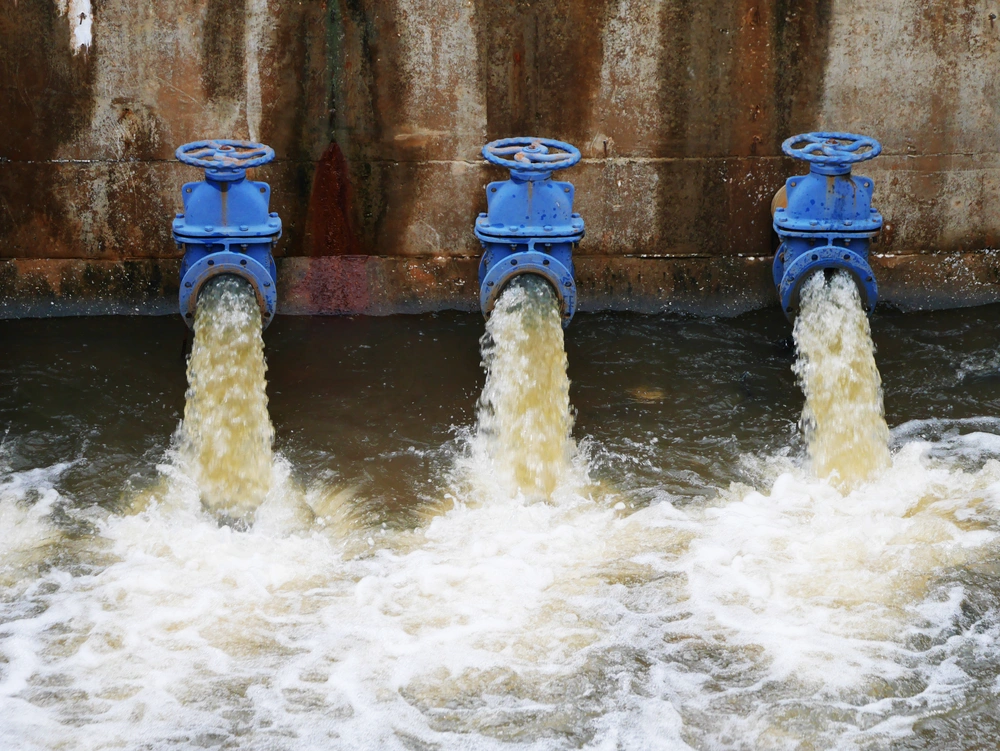
Unlike recycling wastewater reuse (REUT) refers to an approach whereby treated water is used for a purpose other than that for which it was collected, and sometimes outside its original site. This can involve industrial applications such as road cleaning or boiler feed, as well as urban or agricultural uses.
Reuse is, however, strictly regulated. Regulations, and in particular the decree of March 10, 2020 and the two orders of 2024, define quality standards according to the intended use, as well as requirements in terms of treatment, monitoring, traceability and prefectoral authorizations.
Treatment technologies tailored to each strategy
The distinction between wastewater reuse and recycling is also based on the levels of treatment required:
- Recycling targets a quality objective determined by process constraints,
- Reuse must meet standards defined by regulations.
In both cases wastewater pre-treatment The choice of pre-treatment stages depends on the objective, the volumes to be treated and the nature of the effluent.
Reuse or recycle: what’s the right choice?
For a manufacturer, the choice between reusing and recycling wastewater depends first and foremost on the site’s operational needs: is the water to be re-injected into an existing process, or used for a secondary purpose? The answer to this question determines the technical approach, the applicable regulatory framework and the administrative steps to be taken.
In all cases, a complete analysis of the site’s water cycle is essential: volumes withdrawn, uses, volumes discharged, associated costs, health and environmental risks. It is on this basis that a global strategy can be defined, in line with the company’s industrial, economic and environmental objectives.
Ovive’s support for your water reclamation projects
As a specialist in industrial wastewater treatment for over 25 years, Ovive helps manufacturers throughout France to implement water recycling and reuse solutions that meet their technical, regulatory and budgetary constraints.
We implement a customized approach for each of our customers, from auditing and feasibility studies to on-site maintenance and solution management. Thanks to our mastery of advanced treatment processes and REUT regulations, our teams offer reliable, scalable facilities designed to maximize performance, limit operating costs and meet environmental challenges.